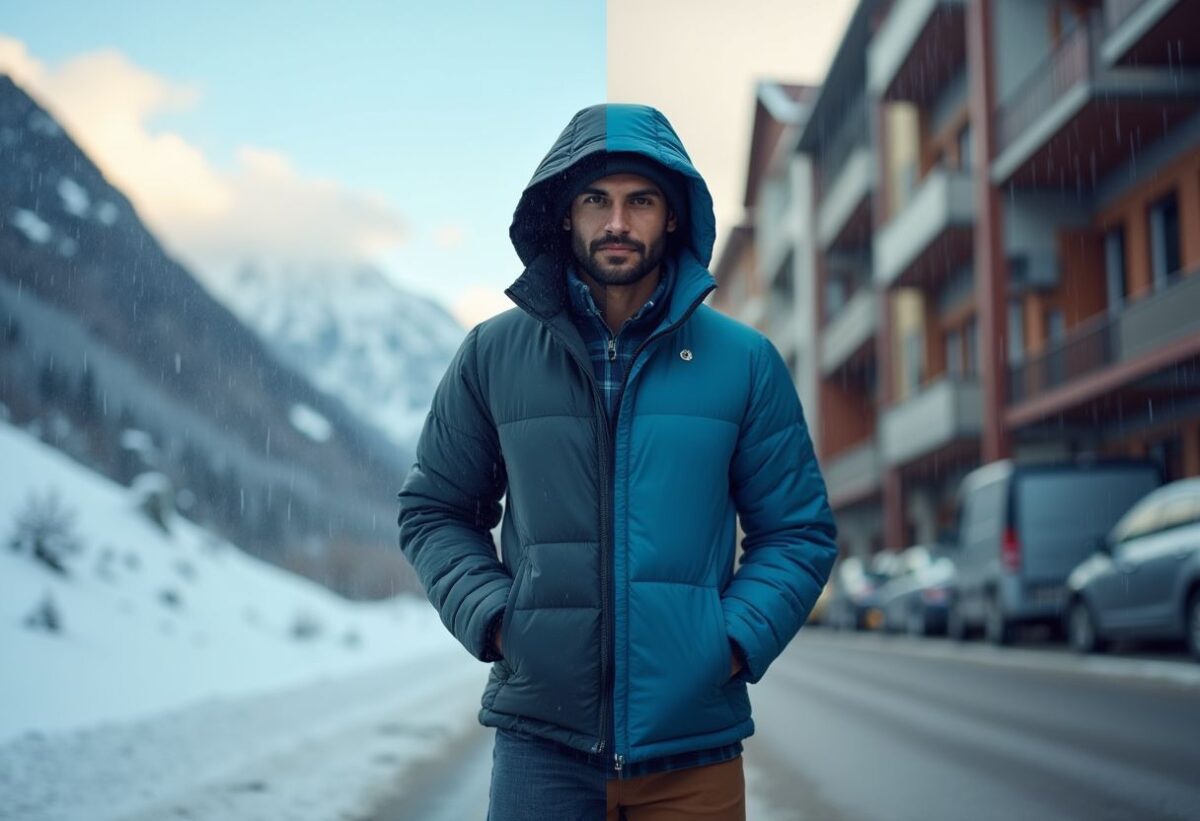
As the cold months approach, many people are considering the choice of a down jacket to face the harshness of winter. The essential question that arises is: what type of insulation should be prioritized? Natural down or synthetic insulation? Each of these materials has distinct characteristics that influence the comfort, warmth, durability, and even the environmental impact of the chosen jacket. While down is often praised for its lightweight and unparalleled ability to retain heat, modern synthetic materials are increasingly competing with their natural counterparts in terms of thermal performance, while also offering other advantages, such as better moisture resistance. It is therefore important to thoroughly examine the strengths and limitations of each option to make an informed choice.
Thermal Properties and Lightweight
The main criterion for choosing a down jacket often remains its ability to keep us warm, especially when the cold intensifies.
Natural down, primarily made of goose or duck feathers, offers exceptional thermal insulation thanks to its three-dimensional structure that traps air. This capability makes it a preferred material for high-altitude adventurers and polar regions. In addition to its warmth, it stands out for its lightweight, allowing for the design of jackets that are easy to carry, ideal for hikers.
In contrast, synthetic insulation is often slightly heavier, although recent technological advancements tend to reduce this gap. Synthetic fibers like polyester are increasingly mimicking the structure of down, providing decent warmth while remaining a bit bulkier.
Moisture Resistance and Quick Drying
Moisture is often the Achilles’ heel of warm clothing, and it is a crucial point to consider when choosing the insulation for a down jacket.
- Down: its main weakness lies in its sensitivity to moisture. Once wet, it loses a significant portion of its insulating properties and takes time to dry. This makes it less suitable for humid or rainy climates.
- Synthetic: synthetic insulations excel in humid environments. Even when wet, they retain a good portion of their insulating capacity and dry quickly, which is an undeniable advantage for outdoor activities in variable conditions.
Durability and Maintenance
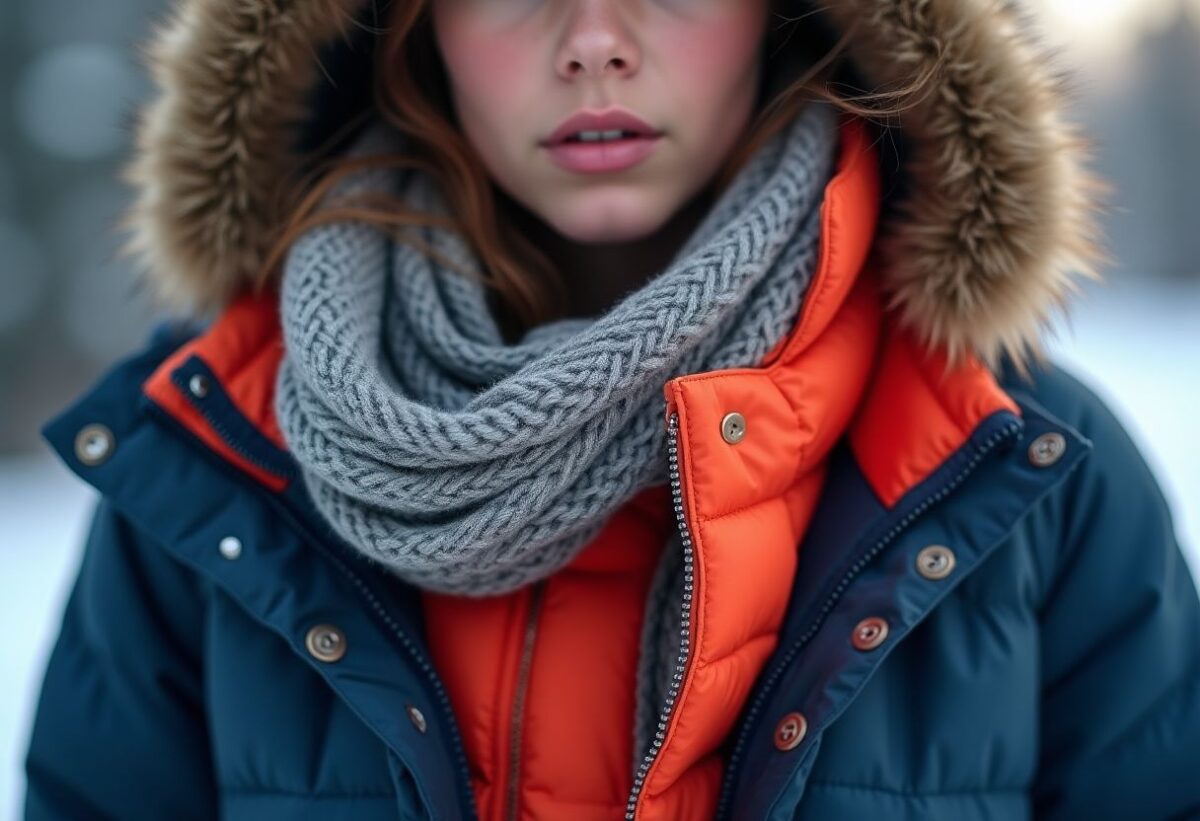
A women’s down jacket should also stand out for its durability and ease of maintenance, as these criteria directly influence its longevity and appearance over the years.
Jackets made of down require special care. They must be cleaned gently to avoid compressing the feathers, which would reduce their effectiveness. However, they can last a very long time with proper maintenance, and their thermal efficiency can be preserved for many years.
Models made of synthetic materials, on the other hand, are generally easier to maintain. They can often be machine washed without risking losing their insulating properties, although their durability may sometimes be lower compared to down models.
Environmental Impact and Ethics
In a context where ecological awareness is growing, the choice between down and synthetic can also be based on ethical and environmental considerations.
Down is a natural product, but its sourcing raises ethical concerns regarding animal welfare. Certifications like the Responsible Down Standard (RDS) exist to ensure more humane practices, but they are not yet universally adopted.
Synthetic insulations are derived from petrochemicals, which raises questions about their carbon footprint. However, some manufacturers are innovating with recycled materials, thereby reducing the environmental impact of their products.
Choosing between down and synthetic for your jacket depends on many factors, ranging from personal preferences to climatic conditions, as well as ethical and environmental considerations. Each individual must weigh the pros and cons based on their specific needs, as a well-chosen down jacket is an investment that provides warmth and comfort throughout the winter.