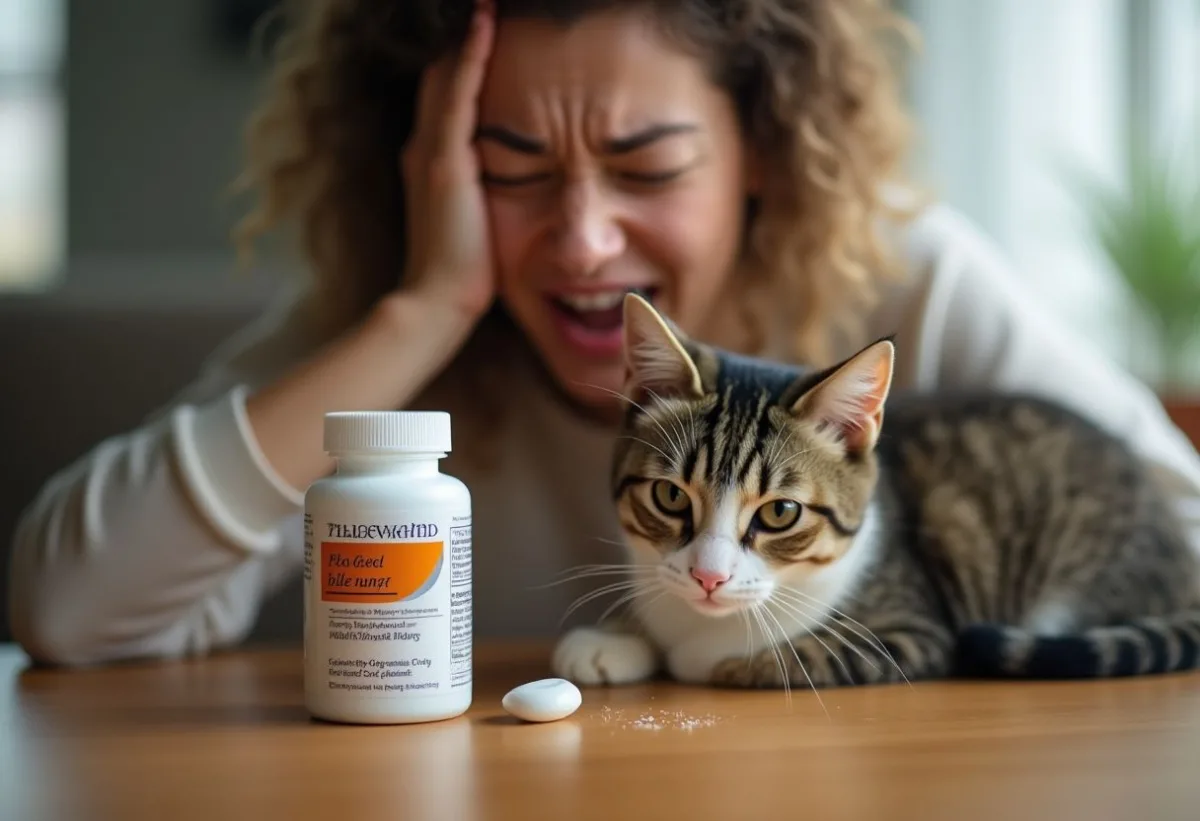
Animal lovers, especially cat enthusiasts, often find themselves facing a thorny dilemma. While these domestic felines are adorable, they can trigger intense allergic reactions in some people. These reactions range from repeated sneezing to itchy eyes and, in some cases, respiratory difficulties. The sight of a cat can be enough to trigger this series of discomforts, making visits to friends who own a cat uncomfortable, or even impossible for some. In the face of this challenge, many turn to antihistamines as a solution. Cetirizine, a particularly popular antihistamine, is often mentioned as an effective remedy. But is it really up to the task of preventing allergic reactions before a feline encounter?
Understanding Cat Allergies
Cat allergies are often misunderstood. Many believe that fur is the main culprit, but the reality is more nuanced. Feline allergies are generally caused by a specific protein.
This protein, called Fel d 1, is found in cat saliva, urine, and dander. When a cat grooms itself, the dried saliva containing this protein is dispersed into the air. This dispersion triggers an immune response in sensitive individuals, who mistakenly identify this harmless substance as a threat. As a result, symptoms such as sneezing and itching occur.
It is essential to understand that each individual reacts differently to these allergens. Some may tolerate small amounts of Fel d 1, while others react immediately even to low exposure.
Cetirizine: A First-Line Antihistamine
Cetirizine is a second-generation antihistamine. It is known for its effectiveness in blocking histamine receptors, a chemical released during allergic reactions.
- Taking cetirizine before exposure to a potential allergen can reduce the intensity of allergic symptoms. This preventive action helps minimize discomfort when visiting a cat owner.
- Unlike other antihistamines, cetirizine has the advantage of causing less drowsiness, making it a popular choice for those who need to stay alert throughout the day.
- For some, cetirizine has proven to be an effective solution. Its effectiveness depends on various factors such as individual sensitivity and the degree of exposure to the allergen.
Tips to Minimize Allergic Reactions During Visits
Preparing for a visit to someone who owns a cat requires some strategies to minimize allergic reactions. Several approaches can be considered for a more pleasant experience.
- Plan to take cetirizine a few hours before the visit to allow the medication to reach its full effect.
- Wear clothing that covers as much skin as possible to avoid direct contact with cat fur.
- Once on-site, avoid touching your face after coming into contact with the cat or its environment.
- After the visit, wash your clothes thoroughly to remove any lingering allergens.
These strategies, combined with the use of cetirizine, can greatly improve your comfort during visits.
Consult a Healthcare Professional
Allergies, while they may seem benign, can seriously affect the daily lives of many individuals. Therefore, it is essential to approach these issues seriously. Consulting a specialist will help determine the best therapeutic approach.
Doctors can prescribe skin or blood tests to accurately identify the responsible allergen. Once the diagnosis is made, they can recommend appropriate treatments, whether they are medications or other management methods.
By discussing with a professional, you will benefit from a tailored action plan, ensuring that your symptoms are effectively controlled while minimizing the side effects of medications.