
Some candidates are rejected by French film schools simply because they already master editing. In Lyon, every new school year, the cinema degree program fills up well before the deadline, even though Parisian schools have a more extensive range of equipment. Marseille, on the other hand, attracts students for its assistant director training, to the point of having more international students than locals.
Film training programs create a map that does not overlap with that of major studios. The choice of a metropolis heavily influences access to certain professions, the richness of curricula, and the weaving of professional networks.
Cinema in France: a vibrant industry and exciting careers to discover
French cinema is not just a mirror of society; it is also one of its engines. With nearly 200 million admissions each year, the French public continues to fill theaters, even in the age of widespread streaming. Whether in the city center or on the outskirts, cinemas play a role in social connection and provide a platform for newcomers to the 7th art.
This energy does not stop at the screening. Audiovisual production, filming, criticism, festival management: these are all professions that attract a new wave of enthusiasts each year. Many dream of being part of a film’s life, either on set or in the shadows of projection booths. The Cannes Film Festival, held every spring, reminds us of the unique place of French cinema on the international stage. However, carving out a place in this industry is not limited to Paris.
Across the country, several cities stand out as major hubs. Nantes, for example, has managed to invigorate its training offerings and attract those looking to engage in contemporary creation. Curious individuals will find on the page film school Nantes a valuable overview of programs, schools, and career opportunities. In France, the transmission and adaptation to technological changes remain strong markers of film education, always linked to creation and the audience.
Which French metropolises offer the best opportunities to study the 7th art?
Paris immediately stands out. As the capital of studios, the most recognized schools, professional networks, and major festivals, the city concentrates everything that propels a career in cinema. Training there means being close to production sites, finding internships more easily, and immersing oneself in a rare vibrancy. Yet, other French metropolises have no reason to be ashamed of their dynamism.
Marseille, with its recent studios and tradition of welcoming shoots, is distinguished by its programs focused on production and experimentation. The sea serves as a backdrop, but there is also a thriving and open local ecosystem. Marseille schools encourage boldness and prepare students for a constantly evolving sector.
Nantes, Lyon, Montpellier: these cities have developed strong ties with the audiovisual sector. They offer tailored training, whether in screenwriting, directing, criticism, or festival organization.
Here are some key points to remember about these metropolises:
- Nantes: a city focused on today’s creation, in close contact with local cultural actors.
- Lyon: marked industrial heritage, a large number of cinemas, dynamic community life.
- Montpellier: diversity of paths and emphasis on innovation in curricula.
In each city, the meeting of young talents, professionals, and the public gives French cinema its vitality. Schools, theaters, and studios provide numerous possible paths, between passion and technique.
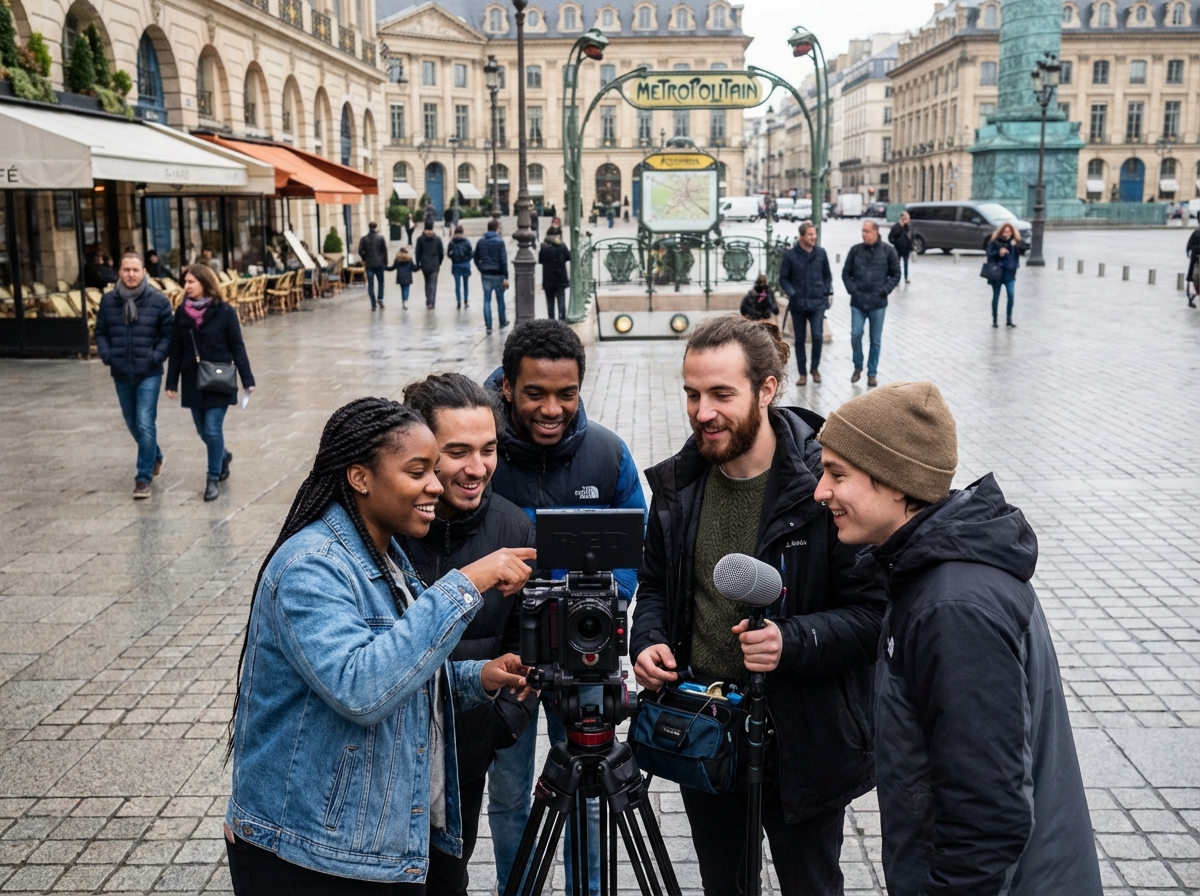
Resources, schools, and advice for training and thriving in the film sector
To find one’s way in the world of cinema, it is better to approach the many training options with discernment. The BTS in audiovisual professions remains a safe bet, combining technical skills and knowledge of works. Other paths, sometimes very specialized, open the door to production, projection, or criticism.
Entry into schools requires seriousness: a well-thought-out application, motivation, and, depending on the institutions, success in selective competitions. At each stage, future professionals build their profiles, whether they aim to work in theaters or on sets. The sector operates on exchange: festival meetings, screenwriting workshops, professional interventions, and community life enrich the curriculum. Some institutions focus on their proximity to studios; others emphasize creativity or involvement in cultural life.
To benefit from these training programs, some practices are essential:
- Choose programs that combine theoretical approaches with practical experience.
- Engage in local cultural life: attend screenings, participate in debates or festivals.
- Start early to build a network, multiplying experiences on shoots or within associations.
The learning of cinema does not stop at graduation. Internships in production, collective projects, and exchanges with professionals, often decisive, provide a real insight into the sector and can reveal unexpected vocations.
At a time when each city shapes its own talents and the 7th art continues to evolve, France remains a playground open to all ambitions. It is up to each individual to invent their trajectory, between tradition and constant reinvention.