The fashion trends of this season are not just a list of pieces to buy. They reflect an underlying movement, where the choice of materials and volumes is as important as color or cut. To create a unique style this spring-summer, it’s better to understand the logic behind each trend than to copy a look seen in a shop window.
You may have noticed that some clothes seem to “fit well” on everyone, while others do not? The difference often lies in the material and how the fabric interacts with the silhouette. This is precisely what distinguishes sustainable trends from fleeting fashion fads. To delve deeper into the topic over the seasons, Graines de Blogueuses’ fashion articles offer complementary insights into these evolutions.
Bio-sourced fibers: the material that changes the silhouette
Lyocell and Tencel, two fibers derived from sustainably managed wood pulp, are making their mark in the spring-summer 2026 collections of premium brands. According to the WGSN report “Sustainable Fibres Forecast 2026,” published in January 2026, their adoption has significantly increased in response to the demand for alternatives to synthetics.
Why take an interest in them beyond the ecological argument? These fibers offer a fluid drape that is impossible to replicate in polyester. A lyocell blouse moves with the body without clinging. A wide Tencel pant retains its shape without stiffness.
The European Union has also gradually banned, since March 2026, textile finishes that release microplastics. This regulatory change is pushing designers towards natural treatments. The concrete result: the light silhouettes of this season feature softer textures to the touch, with a matte finish replacing the synthetic shine of previous years.
Loose volumes and morphology: adapting the wide-leg trend
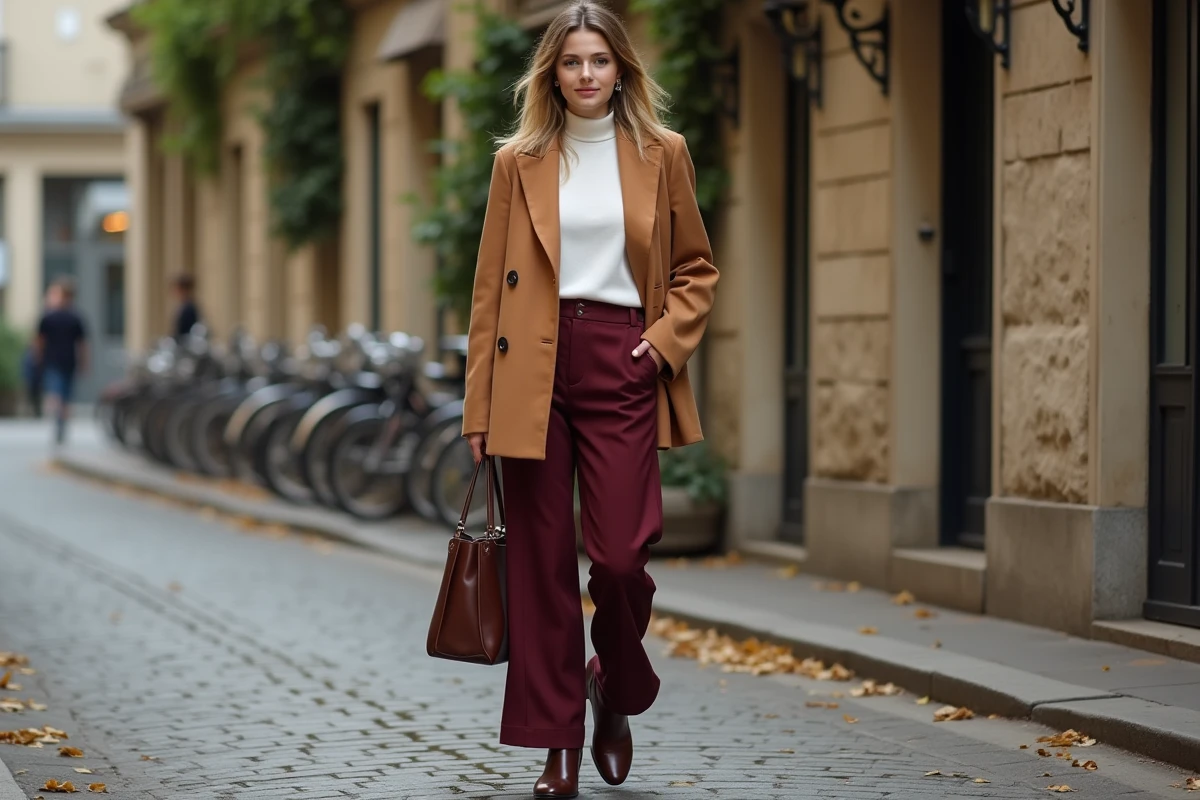
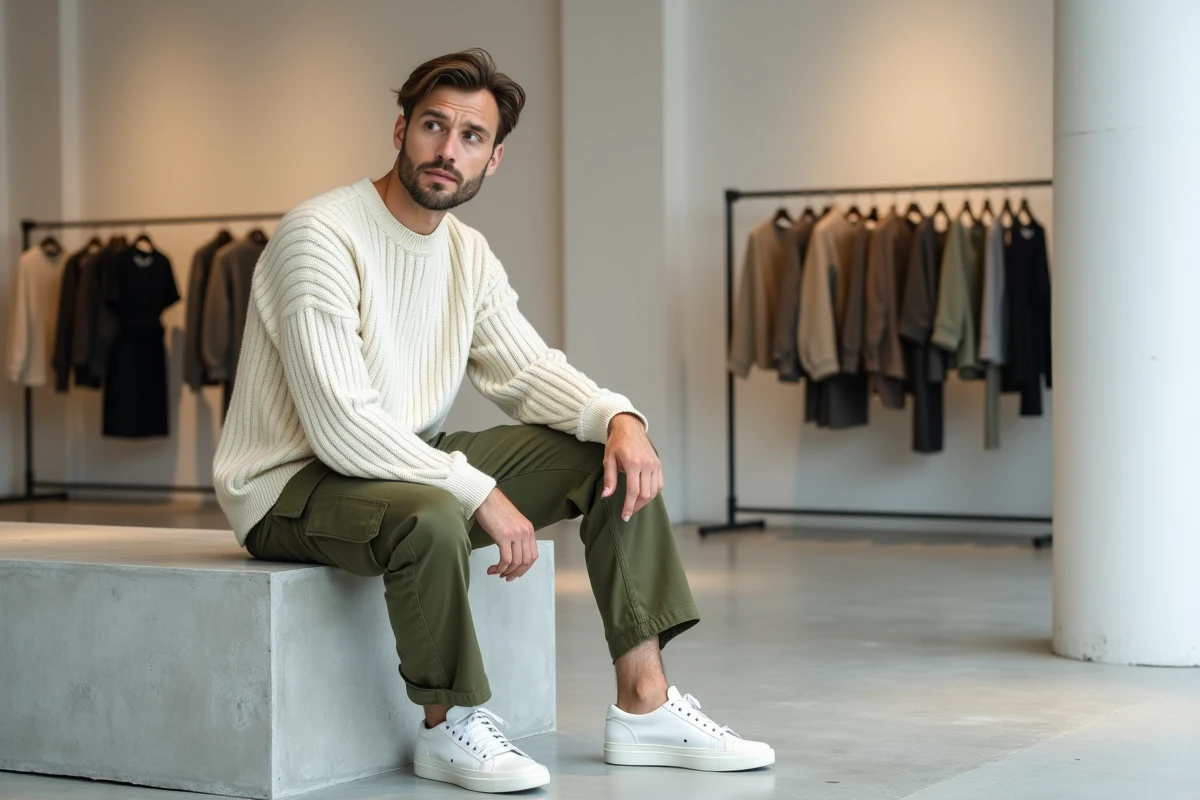
The wide-leg pant remains a key piece of the season. However, wearing volume requires a minimum of method, especially when the height does not exceed 1.65 m.
A field study by Trendalytics (“Street Style Adaptation Report,” April 2026) reports that the majority of customers in stores report a “drowned” effect with very wide cuts. Feedback from independent European boutiques points to a simple solution: have the length and size adjusted in tailoring, rather than giving up on the trend.
Three adjustments that change the look of wide pants
- Shorten the hem so that it just brushes the top of the shoe, not the ground. One centimeter of visible ankle lightens the entire silhouette.
- Choose a marked high waist. The starting point of the volume at the waist creates a vertical line that offsets the width at the bottom.
- Pair with a fitted or semi-fitted top. A top tucked into the pants defines the waist and prevents fabric from accumulating in the bust-hip area.
A common mistake is to wear loose on both top and bottom simultaneously. The contrast between a structured part and a fluid part creates a much more readable visual balance.
Revisited bohemian prints: stepping away from the festival cliché
Bohemian patterns are back this season, but not in the form we used to know. Gone is the total look with XXL flowers, fringe, and straw hats. The current version plays the card of restraint.
An interesting observation emerges from transgenerational analyses: minimalist bohemian prints also appeal to women over 50 for a hybrid style between urban and chic. This trend, identified in a Nielsen analysis on the adoption of prints, remains largely underrepresented in mainstream magazine forecasts.
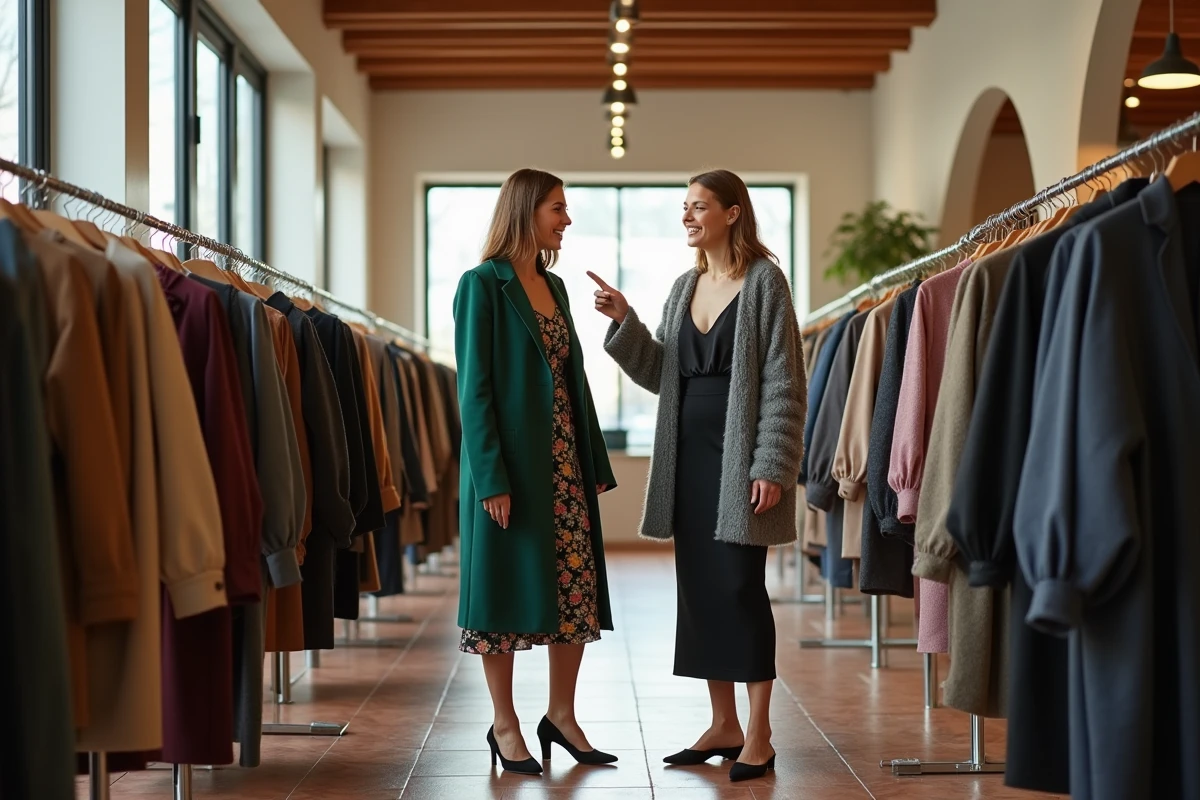
In concrete terms, this translates to dresses with small floral patterns on neutral backgrounds (beige, off-white, pale blue), worn with structured pieces. A bohemian dress paired with a straight blazer and loafers gives a result very different from the summer cliché.
Choosing your print according to the occasion
For the office or a semi-formal context, favor small-scale patterns in subdued colors. For a weekend or casual occasion, larger prints work, provided to limit the print to one piece per outfit.
A print works better when the rest of the outfit remains understated. This is the principle of the focal point: the eye needs a place to rest.
Seasonal colors: butter yellow and natural shades
Butter yellow is establishing itself as the signature color of spring-summer 2026. Softer than a bright yellow, it suits a wide range of skin tones. This shade works particularly well on natural materials, where it takes on a slightly powdered appearance.
Beyond this star color, the season favors earthy tones and plant hues. Beige, light khaki, and terracotta create a versatile base.
- Butter yellow is easily worn as a standalone piece (a top, a skirt) paired with white or navy blue.
- Terracotta and khaki shades allow for creating tone-on-tone looks without falling into monotony, thanks to variations in material.
- Off-white replaces optical white in the proposals of the collections, for a less cold and more coherent look with natural fibers.
Adopting these colors does not require renewing your wardrobe. Just one accessory or one piece in the seasonal shade is enough to refresh an existing look. A unique style does not come from the number of trends adopted, but from the coherence between the chosen pieces. An outfit built around two or three thoughtful choices (material, volume, color) always produces a better result than an accumulation of trendy pieces worn without a guiding thread.